.svg)

Mastering Data Relationships in the Tech and Telecom Industries


In the high-tech and telecommunications sectors, companies don’t just manage data—they manage complex, intertwined webs of interconnected information. A buyer may belong to a larger enterprise account. A subscriber may share a household with multiple product owners. A newly acquired company’s customer may already exist somewhere in the portfolio. When those relationships are hidden, teams miss cross-sell opportunities, risk delivering poor customer experiences, and make decisions on incomplete data. And when critical business entities are trapped in disconnected data silos, key organizational links remain obscured, making relationship mapping a constant struggle.
For decades, tech and telecom companies managed their data using traditional, rules-based master data management (MDM) systems. But today, these systems are buckling under the weight of highly complex, growing, and ever-changing interconnected datasets.
AI-native MDM offers a better path forward, enabling tech and telecom companies to move from basic tracking to dynamic, automated relationship and hierarchy management. Let’s take a closer look.
What Is a Data Hierarchy?
Data hierarchies help companies see how people, organizations, products, services, locations, and more relate to one another. For technology and telecommunications companies, these relationships may connect contacts to accounts, subscribers to households, customers to products, devices to service locations, or acquired accounts to a portfolio. In the tech and telecom industries, common relationships include:
- B2B contacts and companies
- Titles, licenses, and packaging
- Subscriptions and products
- Consumers and households
- Network and infrastructure
- Technical hardware and device components
What Are Common Data Relationship Challenges?
For high-tech and telecom companies, hierarchy management is notoriously difficult. Siloed data makes it challenging to manage complex relationships—from tracking connections between enterprise accounts, subscriptions, customers/consumers, households, and products to navigating mergers and acquisitions, and managing channel partners. But when you add in duplicative, incomplete, or outdated data, the challenges become even greater.
When data is siloed or inaccurate, it becomes difficult to structure the data and find connections within it, making it more challenging to identify meaningful relationships. And when data is missing, incomplete, or outdated, it may cause firms to treat two entities separately, when in fact, they are one and the same. In both cases, poor-quality data leads to inaccurate or obscured insights that negatively impact business outcomes.
Further, when teams cannot recognize the same customer across systems, connect subscribers to the services they use, or understand how accounts relate to one another, growth breaks down. Many times, buyers, subscribers, or account contacts that use a different email, channel, device, or business affiliation become duplicate records, even though they are actually the same person. Families may share devices, addresses, or accounts, but if they are not connected, companies miss household relationships, preventing them from spotting cross-sell/upsell opportunities or churn signals.
Another common challenge for high-tech and telecom companies relates to bills, contracts, entitlements, and customer support. Customers expect the company to understand the full picture of their relationship, including all of the services, subscriptions, and products that they own. But when systems are disconnected, the customer experience becomes fragmented, too. Customers receive separate bills for each product, subscription, or service. And when they call customer support with an issue, agents pass them from one department to another because nobody has a clear, holistic view of the customer.
Changing corporate relationships also adds additional complexity. While it’s not uncommon for a company to change its name or for a corporate relationship to change, it can be difficult to keep up with this constantly shifting corporate information. As a result of changes to a customer’s name, its subsidiaries, its parent, or its location, hierarchies become inaccurate or obsolete, resulting in inaccurate billing, duplicative records, and disconnected customer experiences.
How Do You Master Data for Hierarchies?
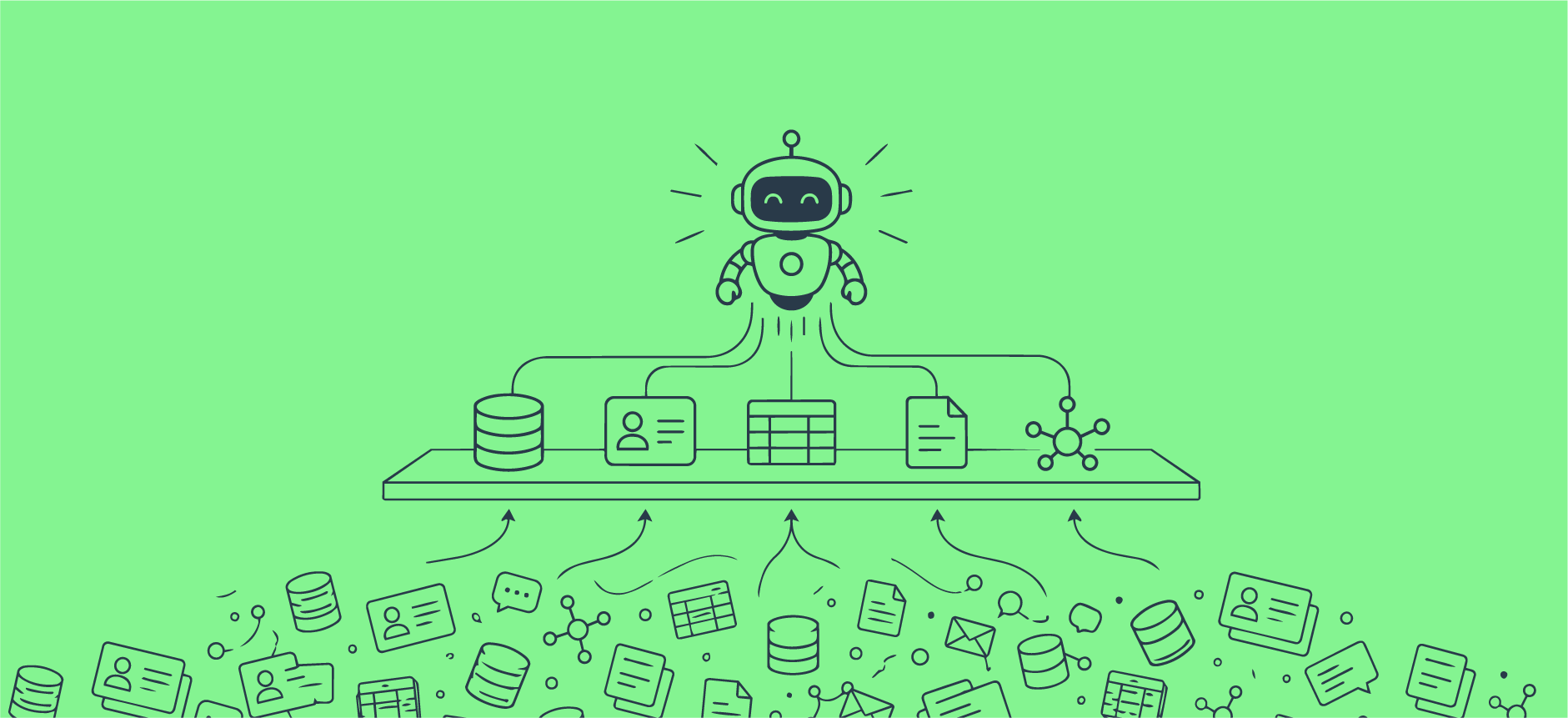
Mastering data for hierarchies involves matching, clustering, enriching, and connecting the data across key business entities. Using Tamr’s AI-native MDM solution, high-tech and telecom companies can match and cluster data at different levels based on criteria defined by the business. If duplicate records exist, Tamr can unify these records and assign a unique identifier.
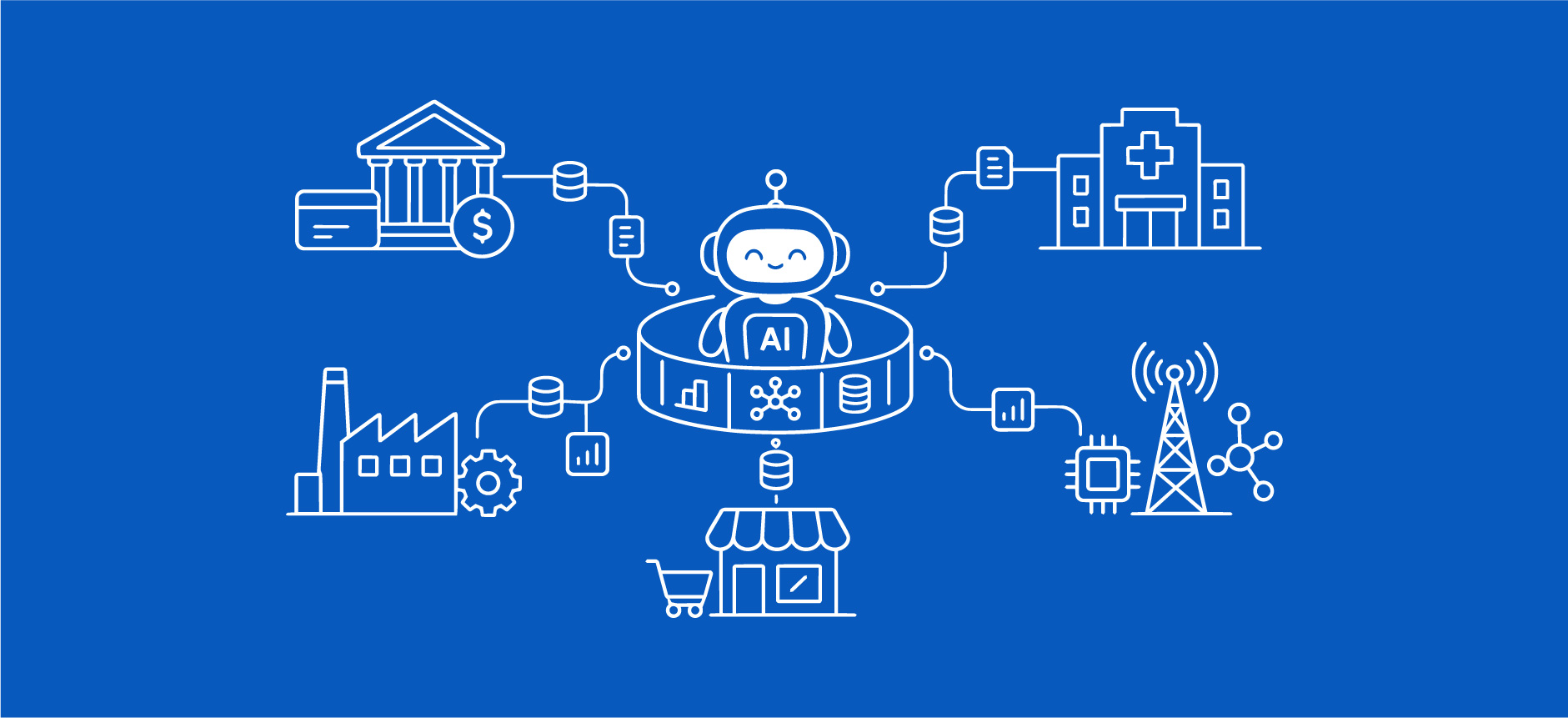
Next, using advanced AI/ML models, agentic data curation, and select rules, Tamr connects these entities in real time and creates enterprise knowledge graphs. These graphs reveal meaningful connections within the data and surface valuable insights that would otherwise remain hidden. Further, when high-tech and telecom companies connect enterprise knowledge graphs to their AI systems, their AI agents become smarter, making it easier for them to navigate through data silos and suggest hierarchical relationships.
Finally, Tamr’s data enrichment capabilities use trustworthy, third-party sources to enrich the data, improving its quality and completeness in real time. Once the data is updated, Tamr verifies matches and updates hierarchy structures and the entities within them.
Mastering Hierarchies in High Tech
Acquisitions wreak all kinds of havoc on high-tech companies, creating a growing network of disconnected CRM solutions that make it difficult to know which customers already exist and which are new to the organization.
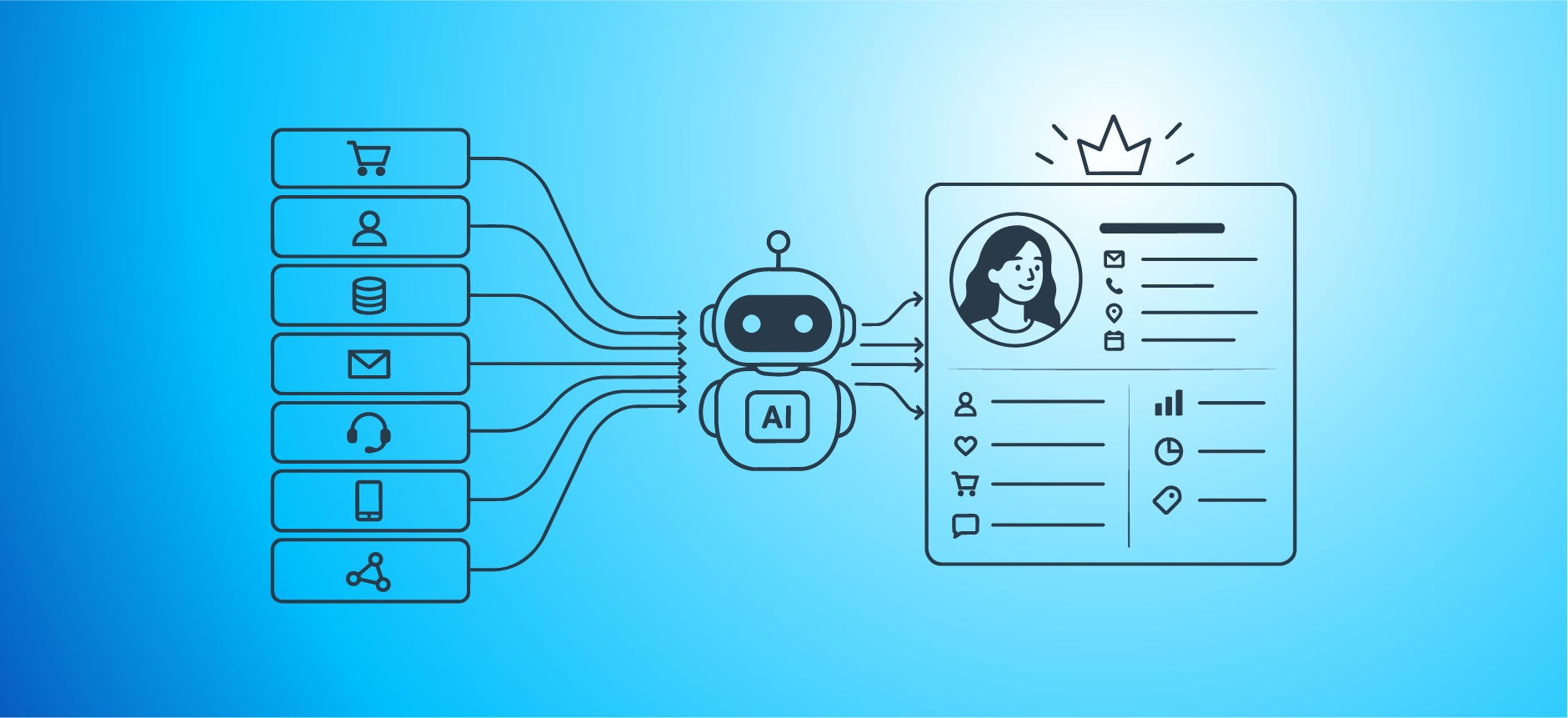
Tamr helps high-tech companies reconcile duplicate data across multiple, disparate CRM solutions to create clean, unified 360-degree views of B2B customer accounts and contacts across all the acquired companies. With a holistic view of their customers, companies can identify customer overlap as well as spot opportunities to cross-sell and upsell their solutions. Further, Tamr enables companies to create hierarchies and enterprise knowledge graphs that detail relationships between customer records and across multiple domains—making it easier to deliver cohesive, high-quality customer experiences.
Mastering Hierarchies in Telecommunications
Telecommunications companies face unique challenges when it comes to mastering hierarchies. On the B2B side, the challenges are the same as for technology companies. On the B2C side, consumer customers may, for example, have a home internet subscription, a digital wallet, and a mobile account. Each account likely lives in a different system, each with its own level of quality. Making matters worse, other individuals within the customer’s household may also have multiple accounts, but without a way to connect them, companies remain blind to these upsell and cross-sell opportunities.
Using Tamr, a telecommunications company can unify this disparate data to provide a single, 360-degree view of a customer and all of their related subscriptions. The company can also connect these unified customer views using an enterprise knowledge graph to show corporate and household relationships. With this information in hand, the company can identify opportunities to consolidate or bundle existing services—or add new ones.
Future-Proofing Relationship Data With AI-Native MDM
For high-tech and telecom companies, managing expanding networks, shifting corporate structures, and increasing volumes of data requires a different approach. And organizations that shift from traditional, rules-based approaches to agile, AI-native data mastering will reap the benefits of clean, connected, unified data. By establishing a holistic view of their key business entities—connected across multiple domains— business customers and consumers can realize the value of dynamic, automated relationship management.
Get a free, no-obligation 30-minute demo of Tamr.
Discover how our AI-native MDM solution can help you master your data with ease!